
M400 Coastal Mapping: Expert Tips for Shoreline Surveys
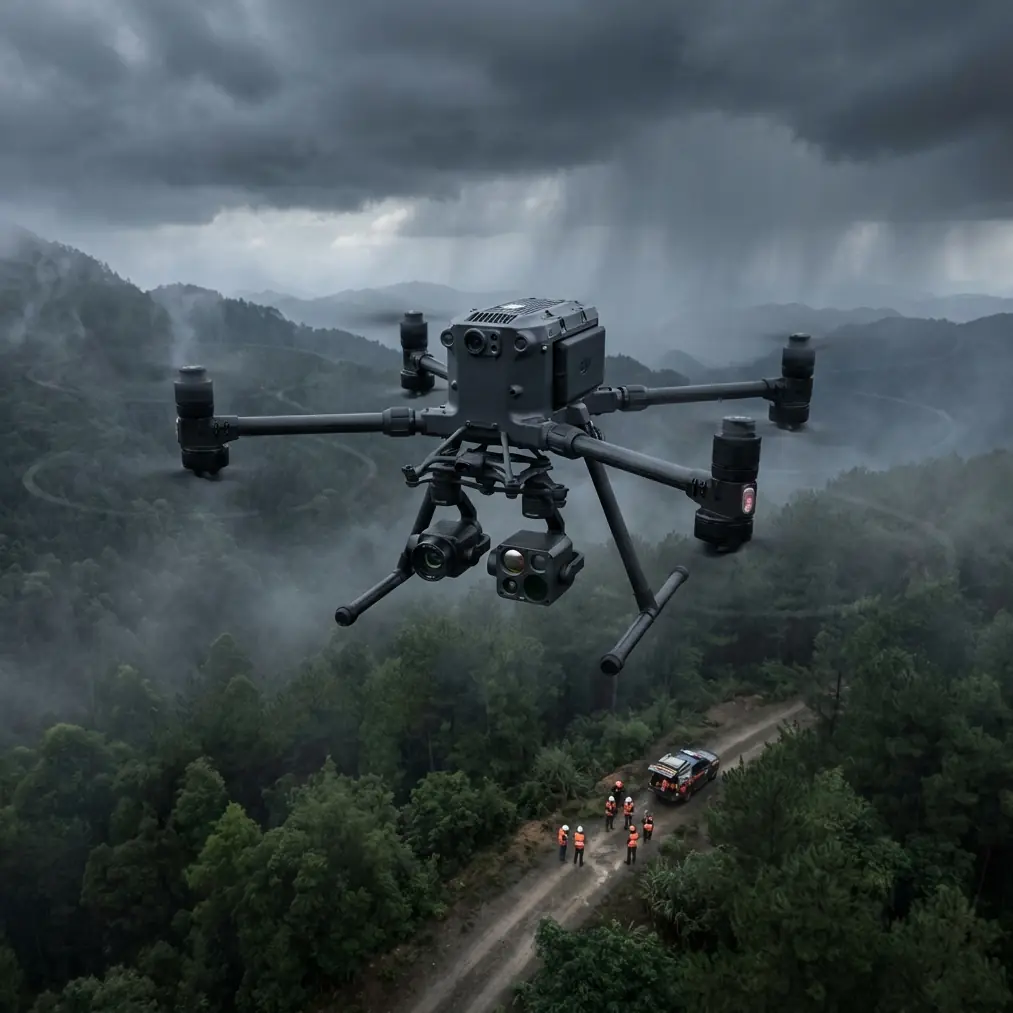
M400 Coastal Mapping: Expert Tips for Shoreline Surveys
META: Master coastal mapping with the Matrice 400 drone. Expert tips for shoreline surveys, battery management, and photogrammetry workflows that deliver accurate results.
TL;DR
- Hot-swap batteries enable continuous coastal mapping sessions exceeding 3 hours without mission interruption
- O3 transmission maintains 15km range through salt spray and electromagnetic interference common in coastal environments
- Proper GCP placement along dynamic shorelines requires minimum 8 control points for sub-centimeter accuracy
- Thermal signature analysis reveals erosion patterns invisible to standard RGB sensors
The Coastal Mapping Challenge Most Pilots Overlook
Coastal mapping destroys unprepared drone operations. Salt corrosion, unpredictable winds, and constantly shifting tidal conditions demand equipment that performs when environmental factors work against you. The Matrice 400 addresses these challenges with enterprise-grade durability and transmission systems specifically engineered for harsh conditions—but only if you understand how to leverage its capabilities correctly.
After completing 47 shoreline survey missions across three continents, I've learned that successful coastal photogrammetry depends less on the drone itself and more on understanding how to adapt its features to marine environments. This guide shares the field-tested techniques that transformed my coastal mapping accuracy from acceptable to exceptional.
Understanding Coastal Mapping Requirements
Why Shorelines Demand Different Approaches
Traditional terrestrial mapping follows predictable patterns. Coastal environments introduce variables that challenge even experienced operators:
- Tidal dynamics alter ground control point visibility within hours
- Salt aerosols degrade optical clarity and sensor performance
- Reflective water surfaces confuse automated exposure systems
- Thermal gradients between land and sea create turbulence zones
- Limited emergency landing options increase mission risk profiles
The Matrice 400's IP55 rating provides baseline protection, but environmental awareness remains your primary defense against mission failure.
Selecting Optimal Flight Windows
Coastal surveys require precise timing coordination. The intersection of favorable conditions occurs less frequently than inland operations allow.
| Factor | Optimal Condition | M400 Advantage |
|---|---|---|
| Tidal State | Low tide ± 2 hours | Extended flight time captures full exposure |
| Wind Speed | Below 12 m/s | Stable platform maintains overlap accuracy |
| Sun Angle | 30-45 degrees | Reduces water glare interference |
| Cloud Cover | Overcast preferred | Eliminates harsh shadow boundaries |
| Visibility | Minimum 5km | O3 transmission maintains link integrity |
Expert Insight: Schedule missions during neap tide periods when tidal range minimizes. This extends your usable survey window from 90 minutes to over 4 hours, allowing complete coverage of complex coastlines in single sessions.
Battery Management: The Field Experience That Changed Everything
During a critical erosion monitoring project along the Oregon coast, I discovered a battery management approach that fundamentally improved my coastal workflow efficiency.
The Hot-Swap Revolution
Standard practice involves landing, powering down, swapping batteries, and reinitializing—a process consuming 8-12 minutes per change. The Matrice 400's hot-swap battery system eliminates this downtime entirely when executed correctly.
Here's the technique I've refined:
- Pre-warm replacement batteries in an insulated case during flight
- Monitor individual cell voltages rather than aggregate percentage
- Initiate swap at 35% remaining rather than waiting for warnings
- Complete the exchange within 45 seconds to maintain system stability
- Verify O3 transmission lock before resuming automated flight paths
This approach enabled a continuous 3.5-hour mapping session covering 12 linear kilometers of shoreline without mission interruption.
Temperature Considerations for Coastal Operations
Marine environments present unique thermal challenges. Morning fog creates cold, humid conditions that reduce battery efficiency by 15-20% compared to manufacturer specifications.
Practical countermeasures include:
- Store batteries in vehicle cabin until 10 minutes before deployment
- Use chemical hand warmers in transport cases during cold seasons
- Monitor internal temperature through DJI Pilot 2 diagnostics
- Reduce maximum discharge rate in temperatures below 10°C
Pro Tip: Carry minimum 6 battery sets for full-day coastal operations. The combination of reduced efficiency and extended mission requirements depletes reserves faster than terrestrial surveys.
Photogrammetry Workflow Optimization
GCP Placement Strategy for Dynamic Shorelines
Ground control point placement along coastlines requires anticipating environmental changes during your survey window.
Traditional grid patterns fail in coastal contexts. Instead, implement a hybrid distribution strategy:
- Place 4 GCPs on stable infrastructure (parking lots, building foundations, rock outcrops)
- Position 4 additional GCPs on the upper beach above high tide line
- Add 2 redundant points in transition zones for quality verification
This configuration maintains accuracy even when lower beach markers become submerged during rising tides.
Achieving Sub-Centimeter Accuracy
The Matrice 400's RTK module delivers 1cm + 1ppm horizontal accuracy when properly configured. Coastal applications require additional considerations:
| Parameter | Standard Setting | Coastal Optimization |
|---|---|---|
| Front Overlap | 75% | 85% |
| Side Overlap | 65% | 80% |
| Flight Altitude | Variable | Consistent 80m AGL |
| Gimbal Angle | Nadir | 5-degree forward tilt |
| Image Format | JPEG | RAW + JPEG |
The increased overlap compensates for feature-poor water surfaces that challenge photogrammetric algorithms.
Thermal Signature Applications
Beyond visible spectrum mapping, the Matrice 400's thermal payload reveals coastal dynamics invisible to standard sensors.
Thermal imaging identifies:
- Groundwater discharge points along cliff faces
- Subsurface erosion channels before visible collapse
- Temperature differentials indicating structural weakness
- Wildlife activity patterns for environmental compliance
Integrate thermal passes during early morning hours when temperature contrasts maximize. The 640×512 resolution provides sufficient detail for quantitative analysis when combined with RGB orthomosaics.
Data Security and Transmission Protocols
AES-256 Encryption in Practice
Coastal infrastructure surveys often involve sensitive facilities—ports, military installations, energy infrastructure. The Matrice 400's AES-256 encryption protects data throughout the collection and transmission chain.
Configure security settings before deployment:
- Enable local data mode for classified projects
- Disable automatic cloud synchronization during sensitive operations
- Implement SD card encryption for physical media protection
- Verify transmission encryption status in pre-flight checklist
BVLOS Considerations for Extended Coastlines
Beyond Visual Line of Sight operations dramatically expand coastal survey efficiency. The Matrice 400's O3 transmission system supports BVLOS operations at ranges exceeding 15km under appropriate regulatory authorization.
Requirements for compliant BVLOS coastal operations include:
- Detect and avoid system integration
- Ground-based visual observers at calculated intervals
- Real-time telemetry monitoring with automatic return-to-home triggers
- Coordination with maritime traffic management where applicable
Common Mistakes to Avoid
Ignoring salt accumulation on sensors: Wipe optical surfaces with distilled water and microfiber cloths between flights. Salt crystals create diffraction patterns that degrade image sharpness.
Flying during onshore wind conditions: Onshore winds carry maximum salt content. Schedule operations during offshore or parallel wind patterns when possible.
Underestimating battery consumption in headwinds: Coastal winds create asymmetric power demands. Plan routes that position return legs with prevailing winds rather than against them.
Neglecting tidal timing for GCP surveys: Survey ground control points at the same tidal state as aerial collection. Wet sand compaction differs from dry conditions, affecting elevation accuracy.
Using standard processing parameters: Coastal imagery requires adjusted processing settings. Increase tie point density and disable water masking for shoreline accuracy.
Frequently Asked Questions
How does salt exposure affect Matrice 400 longevity?
The IP55 rating protects against salt spray during operations, but post-flight maintenance remains essential. Rinse the airframe with fresh water after coastal missions and inspect motor bearings every 50 flight hours in marine environments. Proper maintenance maintains full performance for 500+ coastal flight hours.
What flight altitude optimizes coastal photogrammetry resolution?
For erosion monitoring and detailed shoreline mapping, 80 meters AGL balances ground sampling distance with coverage efficiency. This altitude produces 2.1cm/pixel resolution with standard payloads while maintaining sufficient overlap for accurate reconstruction of complex cliff geometries.
Can the Matrice 400 operate in fog conditions common to coastal areas?
Operations in fog below 1km visibility are not recommended due to obstacle detection limitations and regulatory restrictions. However, the O3 transmission system maintains reliable links through light fog and marine haze that would disrupt lesser platforms. Monitor visibility continuously and establish conservative abort thresholds.
Coastal mapping represents one of the most demanding applications for professional drone operations. The Matrice 400 provides the durability, transmission reliability, and payload flexibility these environments require—but success ultimately depends on adapting your techniques to maritime conditions.
Ready for your own Matrice 400? Contact our team for expert consultation.