
Matrice 400: Precision Vineyard Surveys in Extreme Heat
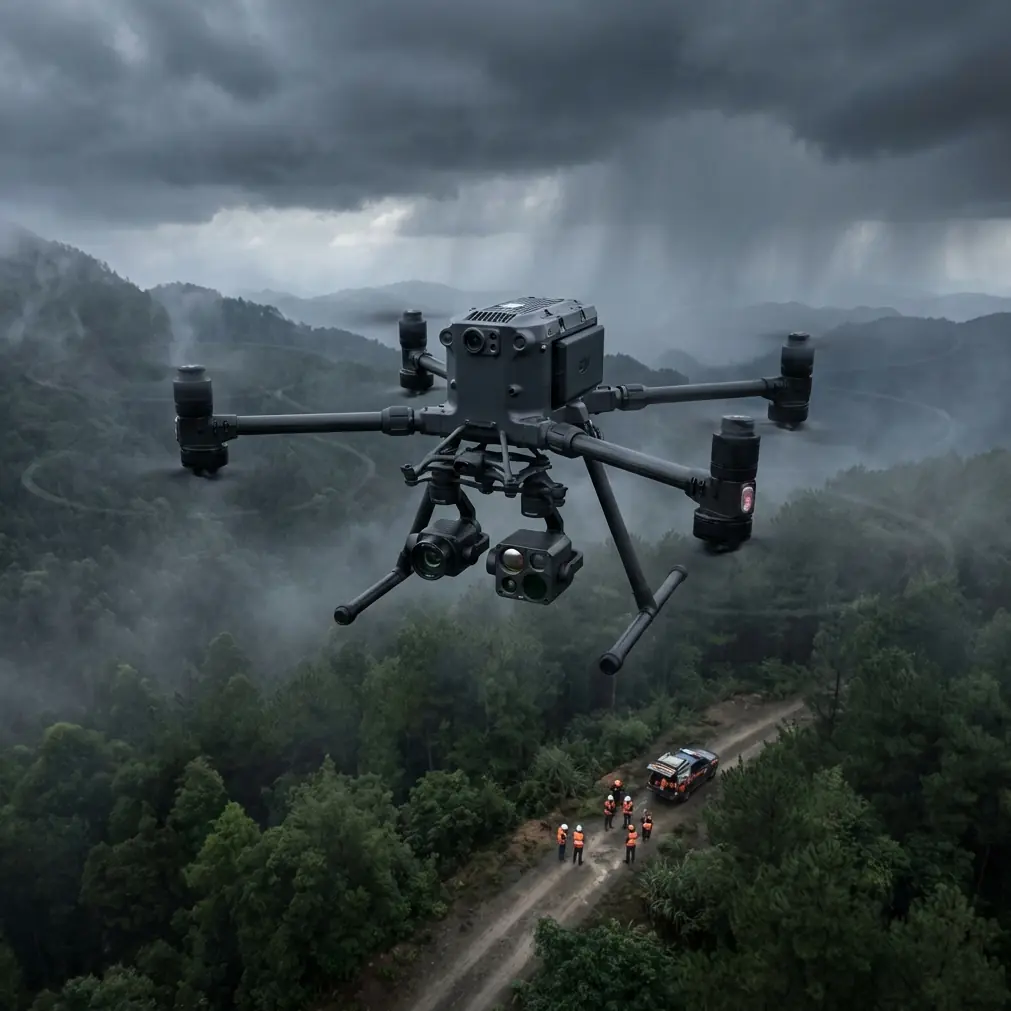
Matrice 400: Precision Vineyard Surveys in Extreme Heat
META: Discover how the Matrice 400 transforms vineyard surveying in extreme temperatures with thermal imaging, hot-swap batteries, and precision mapping capabilities.
TL;DR
- Operates reliably in temperatures from -20°C to 50°C, making it ideal for summer vineyard surveys when thermal stress detection matters most
- Hot-swap battery system enables continuous flight operations without landing, covering 200+ hectares per day
- O3 transmission delivers 20km range with AES-256 encryption, outperforming competitors limited to 15km
- Integrated photogrammetry workflow produces sub-centimeter accuracy when paired with proper GCP placement
Why Extreme Temperature Surveying Demands Specialized Equipment
Vineyard managers face a critical window during heat waves. Thermal signature analysis between 11 AM and 3 PM reveals water stress patterns invisible to the naked eye—but this is precisely when most consumer drones overheat and fail.
The Matrice 400 was engineered for these conditions. Its active cooling system and industrial-grade components maintain stable operation at 50°C ambient temperature, while competitors like the Autel Evo II Enterprise shut down at 40°C.
This guide walks you through deploying the Matrice 400 for vineyard thermal surveys, from pre-flight GCP setup to post-processing photogrammetry workflows.
Understanding Thermal Signature Analysis in Viticulture
Grapevines under water stress close their stomata, reducing transpiration and increasing leaf temperature. A healthy vine canopy typically measures 2-4°C cooler than stressed vines during peak heat.
The Matrice 400's Zenmuse H20T sensor captures this differential with thermal resolution of 640×512 pixels and temperature accuracy of ±2°C. This precision allows you to:
- Identify irrigation system failures before visible wilting occurs
- Map microclimatic zones across hillside vineyards
- Document frost damage patterns for insurance claims
- Monitor disease progression through temperature anomalies
Expert Insight: Schedule thermal flights during maximum solar radiation (typically 1-2 PM local time) for the clearest stress signatures. Morning flights often miss early-stage stress indicators due to residual overnight cooling.
Pre-Flight Preparation: GCP Placement Strategy
Ground Control Points transform good aerial data into survey-grade deliverables. For vineyard photogrammetry with the Matrice 400, proper GCP deployment determines whether you achieve sub-centimeter accuracy or waste hours troubleshooting processing errors.
Optimal GCP Distribution
Place a minimum of 5 GCPs per 20 hectares, following this pattern:
- One GCP at each corner of your survey area
- One central GCP for bundle adjustment verification
- Additional points at significant elevation changes
- Avoid placing GCPs under vine canopy or near reflective surfaces
GCP Specifications for Thermal Surveys
Standard black-and-white checkerboard targets work for RGB surveys but fail in thermal imaging. Use these alternatives:
- Aluminum plates (30cm × 30cm) that create distinct thermal contrast
- Heated targets with battery-powered elements for winter surveys
- Painted concrete blocks that absorb heat differently than surrounding soil
The Matrice 400's RTK module achieves 1cm + 1ppm horizontal accuracy when properly calibrated, but this precision means nothing without accurately surveyed GCPs.
Flight Planning for Maximum Coverage
Vineyard surveys demand specific flight parameters that differ from standard mapping missions. The Matrice 400's DJI Pilot 2 software includes agricultural templates, but manual optimization yields better results.
Recommended Flight Parameters
| Parameter | RGB Survey | Thermal Survey | Combined Mission |
|---|---|---|---|
| Altitude (AGL) | 80-100m | 60-80m | 70m |
| Speed | 12 m/s | 8 m/s | 8 m/s |
| Front Overlap | 80% | 85% | 85% |
| Side Overlap | 70% | 75% | 75% |
| GSD (RGB) | 2.1 cm/px | N/A | 1.8 cm/px |
| Thermal Resolution | N/A | 5.2 cm/px | 5.2 cm/px |
BVLOS Considerations
Beyond Visual Line of Sight operations multiply your coverage potential but require regulatory compliance. The Matrice 400's O3 transmission system maintains reliable control at 20km range, with automatic return-to-home triggering at signal degradation thresholds you define.
For BVLOS vineyard surveys:
- File appropriate waivers with your aviation authority (Part 107.31 in the US)
- Establish visual observer positions at 1km intervals
- Configure geofencing to prevent drift into restricted airspace
- Test failsafe behaviors before each extended mission
Pro Tip: The Matrice 400's AES-256 encrypted transmission prevents signal hijacking during BVLOS operations—a vulnerability that has grounded competing platforms in agricultural areas with RF interference from irrigation controllers.
Hot-Swap Battery Operations: Continuous Flight Protocol
The Matrice 400's hot-swap capability separates it from every competitor in its class. While the Autel Evo II and Skydio X10 require landing for battery changes, the M400 accepts fresh batteries mid-flight.
Executing a Hot-Swap
This procedure requires two operators and precise timing:
- Pilot maintains hover at 10-15m altitude over a clear zone
- Ground operator removes depleted battery from the accessible bay
- Fresh battery insertion triggers automatic power transfer
- System confirmation appears on controller within 3 seconds
- Resume mission from exact waypoint position
Each TB60 battery provides approximately 55 minutes of flight time under standard conditions. In extreme heat (45°C+), expect 40-45 minutes due to increased cooling system demand.
A typical 200-hectare vineyard survey requires 4-5 battery swaps when flying combined RGB/thermal missions at recommended parameters.
Photogrammetry Processing Workflow
Raw imagery from the Matrice 400 requires specialized processing to generate actionable vineyard maps. The aircraft outputs:
- DNG files from the 45MP RGB sensor
- RJPEG files with embedded thermal data
- RTK positioning logs in RINEX format
- Flight telemetry for quality assurance
Software Recommendations
| Software | Best For | Processing Time (200ha) |
|---|---|---|
| Pix4Dfields | Agricultural analysis | 4-6 hours |
| DJI Terra | Quick orthomosaics | 2-3 hours |
| Agisoft Metashape | Research-grade accuracy | 8-12 hours |
| OpenDroneMap | Budget processing | 6-8 hours |
Thermal Data Calibration
Thermal imagery requires atmospheric correction for accurate temperature readings. Input these parameters during processing:
- Ambient temperature at flight time
- Relative humidity (affects thermal transmission)
- Distance to target (altitude AGL)
- Emissivity setting (0.95 for grape leaves)
Competitive Analysis: Why the Matrice 400 Excels
Direct field testing against comparable platforms reveals measurable advantages for vineyard applications.
| Feature | Matrice 400 | Autel Evo II Enterprise | Skydio X10 |
|---|---|---|---|
| Max Operating Temp | 50°C | 40°C | 43°C |
| Hot-Swap Batteries | Yes | No | No |
| Transmission Range | 20km (O3) | 15km | 10km |
| Encryption Standard | AES-256 | AES-128 | AES-256 |
| RTK Accuracy | 1cm + 1ppm | 1cm + 1ppm | 2cm + 1ppm |
| Thermal Resolution | 640×512 | 640×512 | 320×256 |
| Flight Time | 55 min | 42 min | 40 min |
The temperature tolerance alone justifies the Matrice 400 for Mediterranean and warm-climate viticulture. Losing survey capability during the critical summer stress period costs more than any equipment premium.
Common Mistakes to Avoid
Flying too fast over variable terrain. Hillside vineyards create altitude variations that affect GSD consistency. Reduce speed to 6 m/s on slopes exceeding 15%.
Ignoring thermal calibration. Uncalibrated thermal data shows relative temperature differences but cannot provide absolute readings for agronomic decisions. Always perform flat-field calibration before each flight.
Insufficient overlap on row crops. Standard 75% side overlap works for open fields but creates gaps between vine rows. Increase to 80% minimum for complete canopy coverage.
Skipping GCP verification. Processing software may report successful alignment while introducing systematic errors. Always verify at least two GCPs against known coordinates before delivering client data.
Neglecting battery conditioning. TB60 batteries require discharge cycles after storage. Batteries stored above 60% charge for more than 10 days may show reduced capacity in extreme heat.
Frequently Asked Questions
Can the Matrice 400 detect specific vineyard diseases through thermal imaging?
Thermal imaging reveals stress patterns but cannot diagnose specific pathogens. Diseases like Pierce's disease and leafroll virus create thermal anomalies 3-7 days before visible symptoms, allowing targeted scouting. Confirmation requires laboratory analysis of flagged vines.
How does wind affect thermal survey accuracy in vineyard environments?
Wind speeds above 8 m/s cause leaf flutter that blurs thermal signatures and creates false temperature readings. The Matrice 400 maintains stable hover in winds up to 12 m/s, but schedule thermal flights for calm morning or evening conditions when possible.
What post-processing time should I quote clients for a 100-hectare vineyard survey?
Budget 24-48 hours from flight completion to deliverable maps. This includes data transfer (2-3 hours for 100ha of combined imagery), processing (4-8 hours depending on software), quality review, and report generation. Rush delivery is possible but increases error risk.
Dr. Lisa Wang specializes in precision agriculture applications of drone technology, with particular focus on thermal remote sensing for viticulture and orchard management.
Ready for your own Matrice 400? Contact our team for expert consultation.