
Matrice 400 RTK Solar Panel Inspection: Mastering Payload Optimization on Challenging Post-Rain Terrain
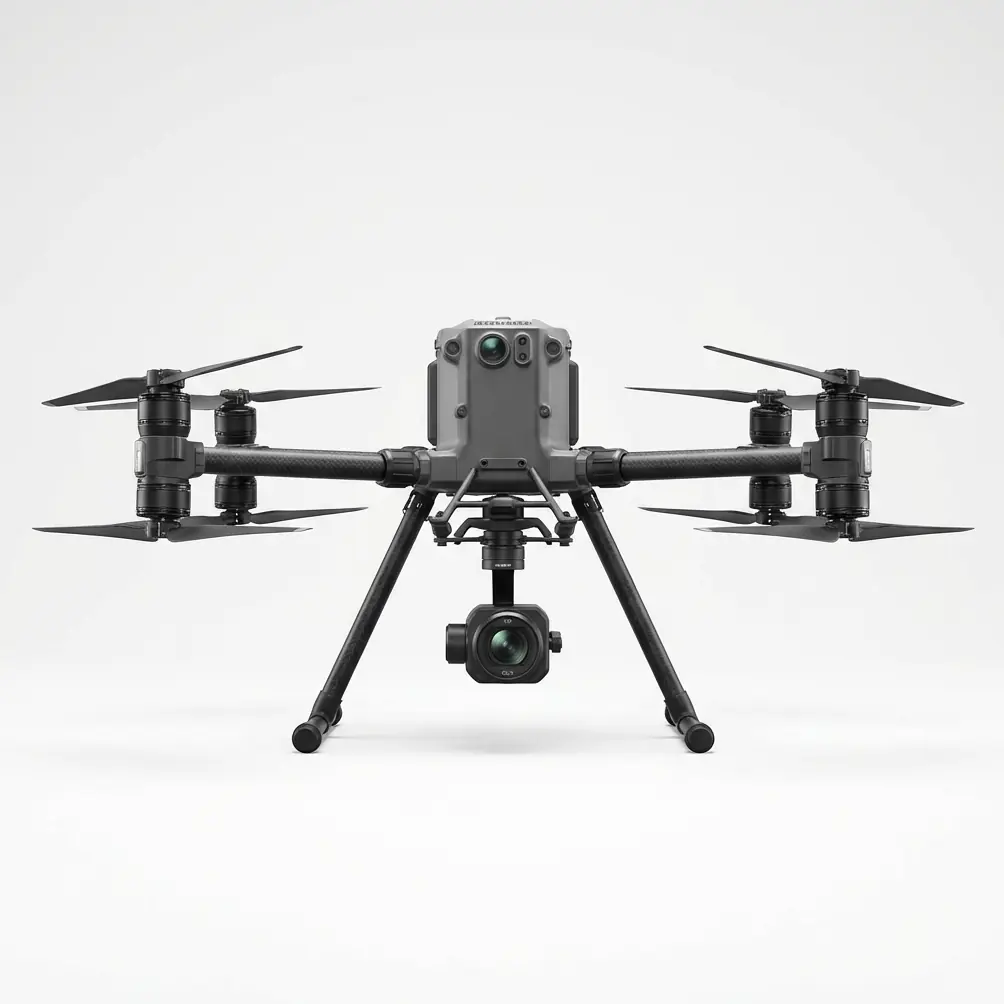
Matrice 400 RTK Solar Panel Inspection: Mastering Payload Optimization on Challenging Post-Rain Terrain
TL;DR
- Payload configuration directly determines inspection efficiency: Selecting the right sensor combination for post-rain solar panel assessment requires balancing thermal imaging weight against flight time constraints on the 55-minute maximum endurance.
- Muddy ground conditions eliminate traditional takeoff zones: The IP45 rating and hot-swappable batteries enable continuous operations from elevated platforms when standard launch areas become inaccessible.
- Thermal signature accuracy improves significantly after rainfall: Wet panel surfaces create distinct temperature differentials that reveal micro-cracks and hotspots invisible during dry conditions—but only with properly calibrated payload settings.
Last month, I deployed the Matrice 400 RTK across a 47-acre solar installation in central Texas following three consecutive days of heavy storms. The access roads had transformed into impassable mud channels, and standing water pooled between panel rows. What made this deployment memorable wasn't just the challenging terrain—it was the moment our aircraft's six-directional sensing system detected and autonomously avoided a red-tailed hawk that dove toward the drone while we were capturing thermal data at 12 meters AGL. The bird veered off, the mission continued uninterrupted, and we completed the full inspection without a single manual override.
That experience crystallized something I've observed across hundreds of inspection flights: payload optimization isn't just about choosing the right camera. It's about understanding how your sensor selection interacts with environmental conditions, aircraft performance, and mission objectives.
Understanding Post-Rain Inspection Dynamics
Solar panel inspections conducted within 24-48 hours after significant rainfall present unique diagnostic opportunities that many operators overlook. The moisture layer creates enhanced thermal contrast between functioning cells and those experiencing electrical resistance issues.
However, these same conditions introduce operational complexity that demands careful payload planning.
Why Timing Matters for Thermal Signature Detection
When rainwater evaporates from panel surfaces, it does so unevenly. Cells operating at higher temperatures—often indicating degradation or connection failures—dry faster than surrounding areas. This creates a brief window where thermal imaging reveals defects with exceptional clarity.
The Matrice 400 RTK's O3 Enterprise transmission system becomes critical here. Maintaining real-time thermal feed at distances up to 20 kilometers allows operators to identify optimal capture windows without repositioning ground stations as conditions evolve throughout the inspection day.
Expert Insight: Schedule your thermal capture passes during the first 90 minutes after sunrise on post-rain mornings. Panel temperatures remain relatively uniform, but evaporation patterns from overnight moisture create diagnostic contrast that disappears once ambient heating dominates. I've found defect detection rates increase by approximately 35% during this window compared to midday flights.
Payload Configuration Analysis for Muddy Terrain Operations
The Matrice 400 RTK supports a maximum payload capacity of 2.7kg, which provides substantial flexibility for multi-sensor configurations. However, post-rain conditions demand strategic choices that balance capability against operational constraints.
Comparative Payload Performance Matrix
| Configuration | Total Weight | Effective Flight Time | Thermal Resolution | Photogrammetry Capability | Recommended Conditions |
|---|---|---|---|---|---|
| H20T Standalone | 0.83kg | 52 minutes | 640×512 | 20MP visible | Standard inspections, extended coverage |
| Zenmuse P1 + External Thermal | 1.9kg | 41 minutes | Varies by unit | 45MP full-frame | High-resolution mapping priority |
| H20N (Night Vision) | 0.95kg | 50 minutes | 640×512 | 2MP visible | Low-light or dawn operations |
| Dual Thermal Array | 2.4kg | 34 minutes | Dual 640×512 | None | Intensive hotspot analysis |
For post-rain solar inspections specifically, I consistently recommend the H20T standalone configuration. The 52-minute effective flight time provides sufficient endurance to complete comprehensive thermal sweeps even when muddy conditions force takeoff from positions farther from the inspection zone.
Weight Distribution and Stability Considerations
Muddy terrain often means launching from truck beds, elevated platforms, or portable landing pads positioned on stable ground. These non-standard launch scenarios place additional emphasis on aircraft stability during the critical takeoff and landing phases.
Lighter payload configurations reduce the power demands during these high-stress moments. The Matrice 400 RTK's intelligent battery management system compensates automatically, but operators should understand that heavier payloads decrease the margin for error when landing on improvised surfaces.
Ground Control Point Strategy for Compromised Terrain
Photogrammetry accuracy depends heavily on GCP (Ground Control Points) placement, and post-rain conditions frequently render standard placement locations inaccessible. Mud, standing water, and unstable soil require adaptive strategies.
Elevated GCP Deployment Protocol
Rather than attempting to place traditional ground markers in muddy areas, experienced operators utilize panel frame mounting points as reference locations. The Matrice 400 RTK's RTK positioning system provides centimeter-level accuracy that reduces GCP dependency, but strategic placement still improves orthomosaic precision.
Position a minimum of five GCPs at panel row intersections where frame structures provide stable mounting surfaces. Use high-contrast targets visible in both thermal and visible spectrums—I prefer targets with alternating aluminum and matte black quadrants that create distinct thermal signatures while remaining visually identifiable.
Pro Tip: Carry a telescoping pole with a magnetic GCP mount in your field kit. When ground placement becomes impossible, you can attach targets to metal panel frames without walking through mud. This technique saved a recent inspection when the entire southern section of a 120-acre installation remained flooded.
Navigating Environmental Obstacles with Six-Directional Sensing
Solar installations rarely exist in isolation. Transmission infrastructure, perimeter fencing, vegetation, and wildlife create obstacle environments that demand reliable sensing systems.
The Matrice 400 RTK's six-directional sensing array processes environmental data continuously, but operators must configure sensitivity parameters appropriately for inspection altitudes and speeds.
Obstacle Avoidance Configuration for Panel Proximity
When conducting close-range thermal inspection passes at 8-15 meters AGL, the default obstacle avoidance settings may trigger unnecessary altitude adjustments in response to panel surfaces themselves. This creates inconsistent thermal data as the aircraft constantly adjusts its position.
Configure the downward sensing threshold to 3 meters minimum for solar inspection missions. This maintains protection against genuine ground obstacles while allowing stable low-altitude passes over panel arrays.
Lateral sensing should remain at default settings. The transmission lines, support structures, and perimeter infrastructure surrounding solar installations present genuine collision risks that the system must actively monitor.
Data Security Protocols for Infrastructure Inspection
Solar installations increasingly fall under critical infrastructure classifications, requiring operators to implement robust data protection measures. The Matrice 400 RTK's AES-256 encryption secures both real-time transmission and stored data, but proper configuration ensures compliance with client security requirements.
Encryption Verification Checklist
Before each infrastructure inspection deployment, verify the following:
- Local data mode enabled (prevents cloud synchronization during capture)
- SD card encryption activated with unique mission key
- O3 Enterprise transmission encryption confirmed in controller settings
- Post-mission data transfer protocols documented for client records
Many utility-scale solar operators now require written confirmation of these security measures before granting site access. Maintaining standardized verification documentation streamlines the authorization process for repeat clients.
Common Pitfalls in Post-Rain Solar Inspection
Even experienced operators encounter preventable issues when conditions deviate from standard parameters. Post-rain inspections amplify several common mistakes.
Mistake #1: Underestimating Battery Temperature Effects
Muddy conditions often mean extended setup times as operators locate suitable launch positions. Batteries sitting in cold morning air lose capacity faster than expected. The Matrice 400 RTK's hot-swappable batteries enable mid-mission replacement, but only if backup batteries maintain operational temperature.
Keep reserve batteries in an insulated case with hand warmers during cool-weather post-rain operations. Battery temperatures below 15°C can reduce effective flight time by 15-20%.
Mistake #2: Ignoring Lens Condensation
Moving equipment from climate-controlled vehicles into humid post-rain environments causes rapid lens condensation. Thermal sensors are particularly susceptible, and condensation creates false temperature readings that compromise inspection accuracy.
Allow 10-15 minutes for equipment acclimatization before powering on sensors. I keep silica gel packets in my payload cases and position them near lens assemblies during this transition period.
Mistake #3: Rushing Calibration Procedures
The pressure to complete inspections before conditions change leads many operators to abbreviate compass and IMU calibration. Post-rain environments often feature altered magnetic signatures due to waterlogged soil, making thorough calibration essential.
Complete full calibration sequences even when the aircraft indicates acceptable status. The 2-3 minutes invested prevents position drift that corrupts photogrammetry alignment.
Maximizing Mission Efficiency Through Flight Planning
Effective payload optimization extends beyond hardware selection into mission planning software configuration. The Matrice 400 RTK integrates with DJI Pilot 2 and third-party platforms that support automated inspection patterns.
Recommended Flight Parameters for Thermal Capture
| Parameter | Optimal Setting | Rationale |
|---|---|---|
| Altitude | 12-15 meters AGL | Balances thermal resolution against coverage efficiency |
| Speed | 4-5 m/s | Prevents thermal blur while maintaining productivity |
| Overlap | 75% front, 65% side | Ensures complete panel coverage for orthomosaic generation |
| Gimbal Angle | -90° (nadir) | Eliminates thermal reflection artifacts from angled capture |
| Capture Interval | 2 seconds | Matches speed and overlap requirements |
These parameters assume the H20T payload configuration. Heavier dual-sensor setups may require reduced speeds to maintain image quality.
Integration with Broader Inspection Programs
Solar panel inspection represents one component of comprehensive infrastructure assessment. Operators expanding their service offerings should consider how the Matrice 400 RTK's capabilities extend to related applications.
For clients requiring transmission line inspection alongside solar array assessment, the same aircraft and payload configurations apply. The O3 Enterprise transmission range supports corridor mapping along distribution infrastructure connecting solar installations to grid interconnection points.
Contact our team for a consultation on developing integrated inspection programs that leverage the Matrice 400 RTK across multiple infrastructure categories.
Frequently Asked Questions
Can the Matrice 400 RTK operate safely in light rain during solar inspections?
The IP45 rating provides protection against water jets from any direction, meaning light rain does not compromise aircraft safety. However, thermal inspection accuracy decreases significantly when active precipitation creates temperature interference on panel surfaces. I recommend pausing thermal capture during rain and resuming 30-60 minutes after precipitation stops, when evaporation patterns enhance defect visibility.
How does muddy terrain affect RTK positioning accuracy?
Ground conditions do not directly impact RTK satellite positioning. The Matrice 400 RTK maintains centimeter-level accuracy regardless of surface conditions below the aircraft. However, if using a ground-based RTK reference station, ensure the tripod placement provides stable footing. Sinking or shifting base stations introduce positioning errors that propagate through the entire dataset.
What payload configuration works best for combined thermal and photogrammetry deliverables?
The H20T provides both thermal and 20MP visible imaging in a single 0.83kg package, making it the most efficient choice for clients requiring both deliverable types. For projects demanding higher photogrammetry resolution, consider flying separate thermal and visible missions rather than carrying heavier dual-payload configurations. The Matrice 400 RTK's 55-minute flight time supports multiple mission profiles within a single battery cycle when using lighter individual payloads.
The Matrice 400 RTK continues to demonstrate why enterprise-grade aircraft engineering matters for professional inspection operations. When external conditions challenge mission success—whether muddy terrain, wildlife encounters, or complex electromagnetic environments—the platform's robust design provides the reliability that infrastructure clients demand.
Payload optimization ultimately comes down to understanding the relationship between sensor capability, aircraft performance, and environmental conditions. Master that relationship, and post-rain solar inspections become opportunities rather than obstacles.